2018-07-18
【Now that the sky and the earth and the wind are silent】 Francesco Petrarca (1304—1374) Now that the sky and the earth and the wind are silent and the wild creatures and the birds are reined in sleep, Night leads its starry chariot in its round, and the sea without a wave lies in its bed, I look, think, burn, weep: and she who destroys me is always before my eyes to my sweet distress: war is my state, filled with grief and anger, and only in thinking of her do I find peace.
So from one pure living fountain flow the sweet and bitter which I drink: one hand alone heals me and pierces me: and so that my ordeal may not reach haven, I am born and die a thousand times a day, I am so far from my salvation. —— • —— • —— • —— • —— • —— • —— • —— 【此刻万籁俱寂】 弗朗切斯科·彼特拉克“自由人·磐石”(1304生—1374卒) 此刻万籁俱寂,风儿平息, 野兽和鸟儿都沉沉入睡。 点点星光的夜幕低垂, 海洋静静躺着,没有一丝痕迹。 我观望,思索,燃烧,哭泣, 毁了我的人经常在我面前,给我甜蜜的伤悲; 战斗是我的本分,我又愤怒,又心碎, 只有想到她,心里才获得少许慰藉。
我只是从一个清冽而富有生气的源泉 汲取养分,而生活又苦涩,又甜蜜, 只有一只纤手才能医治我,深入我的心房。 我受苦受难,也无法到达彼岸; 每天我死亡一千次,也诞生一千次, 我离幸福的路程还很漫长。
【注】塔奎尼亚考古博物馆藏身于15世纪的维泰莱斯基“生命”宫(Palazzo Vitelleschi),这座早期文艺复兴建筑本身就是一件艺术品。馆内三层展陈浓缩了伊特鲁里亚“土著人”文明的精华:一层有“肥胖者石棺”那写实生动的逝者卧像,二层陈列着黑陶、进口器物与标志性的“塔奎尼亚飞马”高浮雕,而最震撼的是三层——那些从蒙特罗齐“崎岖丘陵”墓地整体剥离迁移的彩绘壁画,宴饮、歌舞、狩猎的色彩依然鲜艳,仿佛地下墓室的神秘气息从未消散。 这些壁画与石棺所承载的“视死如生”信仰,让人联想到同一时期的东方——春秋战国虽礼崩乐坏,却催生了诸子百家的思想争鸣。两大文明几乎同时繁荣,最终又各自融入更大的体系:伊特鲁里亚被罗马“力量”吸收,春秋战国则孕育了秦汉大一统。它们从未相遇,却在同一个千年里,用不同的方式表达着对生活最深的眷恋。 站在三层复原的墓室壁画前,我萌生了一个想法,这些被整体迁移的彩绘就像一场迟到的重逢——伊特鲁里亚人把生前最热烈的一幕幕画给死亡看,而2,000多年后的我们,隔着玻璃与它们对视。海浪与黄土都远了,只留下色彩自己说话。 2004年,塔奎尼亚的伊特鲁里亚墓地被联合国教科文组织纳入《世界遗产名录》。 Today in History(历史上的今天):
2018: Tarquinia & Tuscania, Italy(意大利塔尔奎尼亚墓葬群与图斯卡尼亚古城)
2016: Capital Paris, France(法国首都巴黎)
2014: GHCS Camp—Chinese Chess(光华营中国像棋)
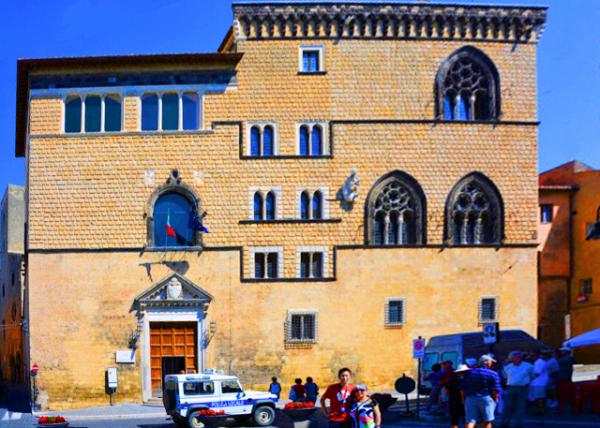 Façade of Palazzo Vitelleschi, a Masterpiece of Gothic-Renaissance Architecture Façade of Palazzo Vitelleschi, a Masterpiece of Gothic-Renaissance Architecture
(维泰莱斯基宫外观·哥特式文艺复兴建筑的杰作 07-18-2018) 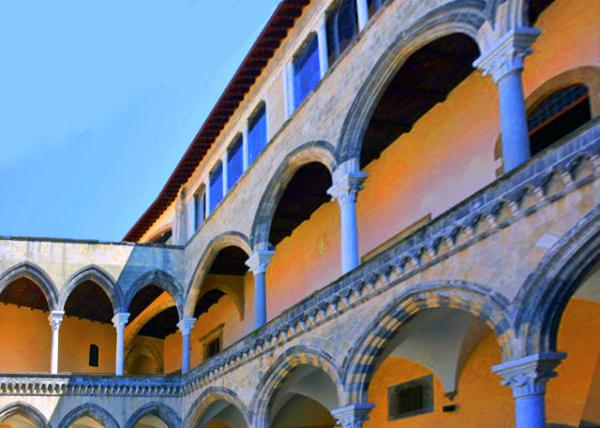 Upper Part of the Courtyard w/ a Renaissance Loggia @ Palazzo Vitelleschi Upper Part of the Courtyard w/ a Renaissance Loggia @ Palazzo Vitelleschi
(维泰莱斯基宫·庭院上部设有文艺复兴时期的凉廊) 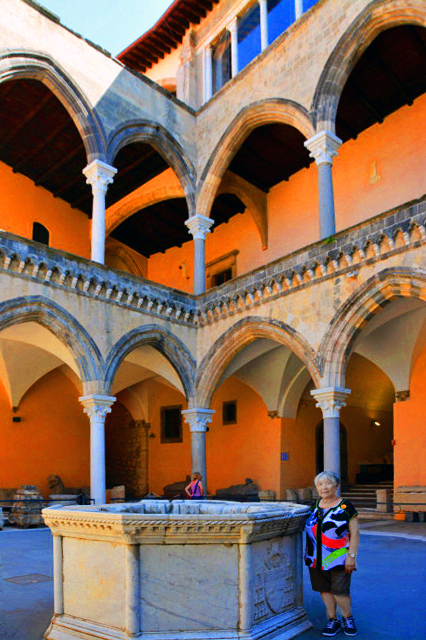
Courtyard of Palazzo Vitelleschi w/ the Coat of Arms of the Vitelleschi on the Well (维泰列斯基宫·庭院井上刻有维泰莱斯基家族的纹章 07-18-2018) 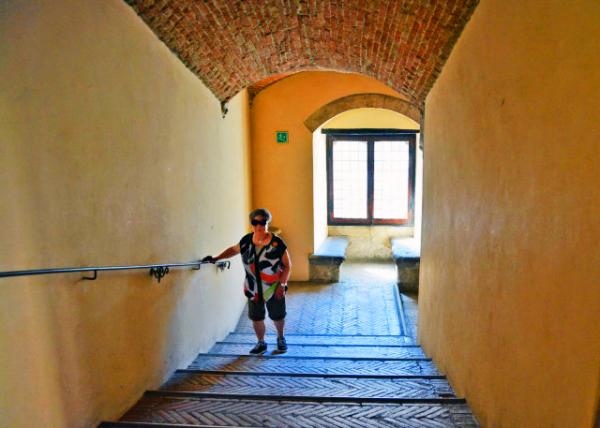 Stairway of Palazzo Vitelleschi from the 15th Century w/ Its Low Steepness & Used as a Mule Ramp, Similar to the Steps Leading to Piazza del Campidoglio in Rome Stairway of Palazzo Vitelleschi from the 15th Century w/ Its Low Steepness & Used as a Mule Ramp, Similar to the Steps Leading to Piazza del Campidoglio in Rome
(维泰列斯基宫15世纪的楼梯·坡度不大,被用作骡子坡道,类似于通往罗马卡比托利欧“顶峰”广场的台阶 07-18-2018) 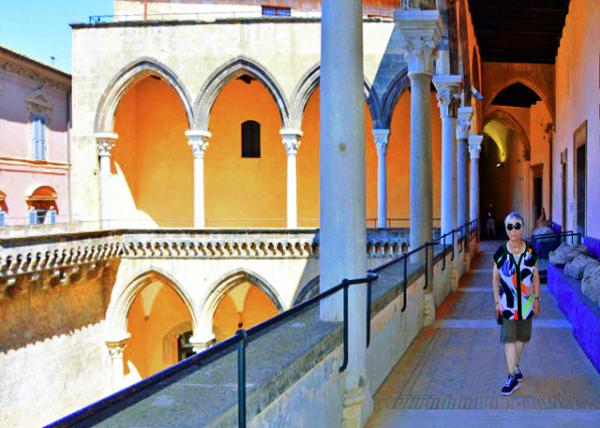 Loggia of Palazzo Vitelleschi Loggia of Palazzo Vitelleschi
(维泰列斯基宫·凉廊 07-18-2018) 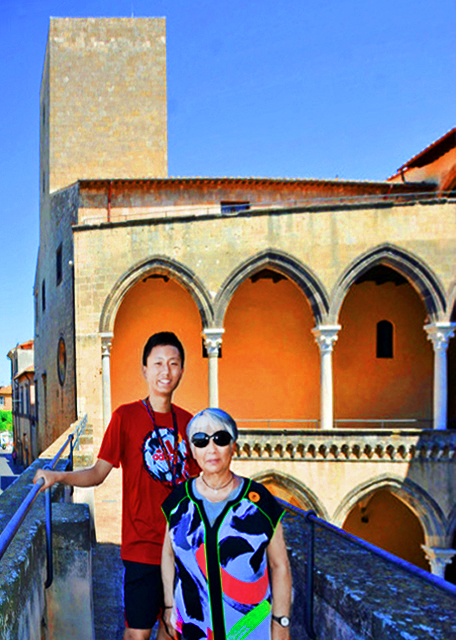
Patio of Palazzo Vitelleschi (维泰列斯基宫·露台 07-18-2018) 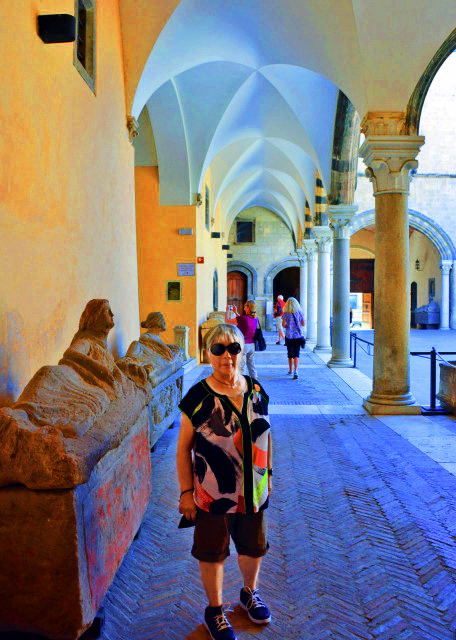
Arached Veranda of Palazzo Vitelleschi (维泰列斯基宫·拱形游廊 07-18-2018) 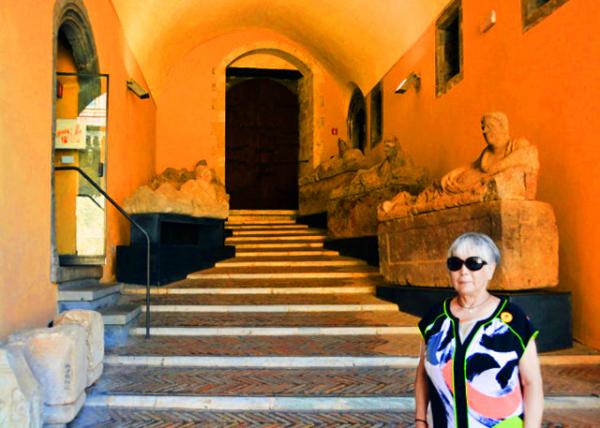 Side Stairway of Palazzo Vitelleschi Side Stairway of Palazzo Vitelleschi
(维泰列斯基宫·侧梯 07-18-2018) 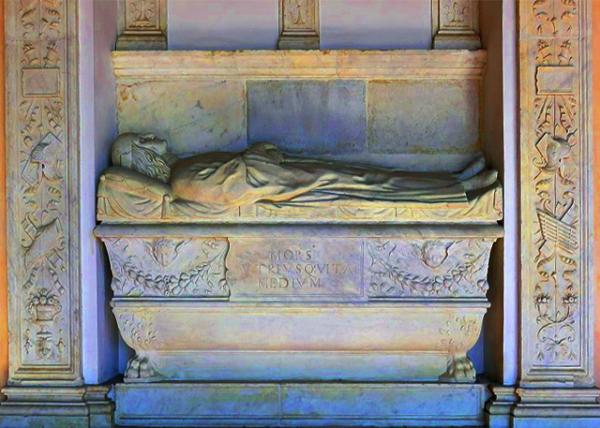 Monument to Aurelio Mezzopane in 1500, Inscribed "Mors Utriusque Vitae Medium" or Death is the Passage between the Two Lives Monument to Aurelio Mezzopane in 1500, Inscribed "Mors Utriusque Vitae Medium" or Death is the Passage between the Two Lives
(创作于1500年的《奥雷利奥·梅佐帕内“金色·半个面包”》纪念碑·死亡是两种生命之间的通道)
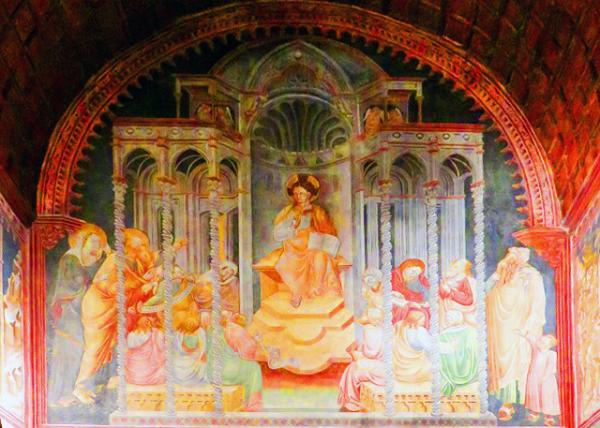 Cardinal Vitelleschi Chapel's Antechamber Fresco Depicting Jesus among the Doctors in the 15th Century Cardinal Vitelleschi Chapel's Antechamber Fresco Depicting Jesus among the Doctors in the 15th Century
(维特莱斯基“小牛”枢机主教礼拜堂前厅·15世纪壁画描绘了耶稣与博士们的场景)
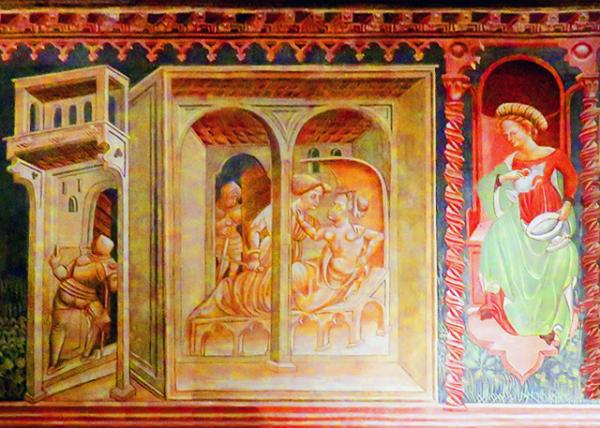 Cardinal Vitelleschi Chapel's Antechamber Fresco Depicting (left) the Rape of Lucretia & (Right) Temperance, One of the 4 Cardinal Virtues, Portrayed While Pouring Water into Wine Cardinal Vitelleschi Chapel's Antechamber Fresco Depicting (left) the Rape of Lucretia & (Right) Temperance, One of the 4 Cardinal Virtues, Portrayed While Pouring Water into Wine
(维特莱斯基枢机主教礼拜堂的前厅·壁画描绘了 左:卢克丽霞“财富”受辱;右:节制,四大美德之一,描绘了她将水倒入酒中) 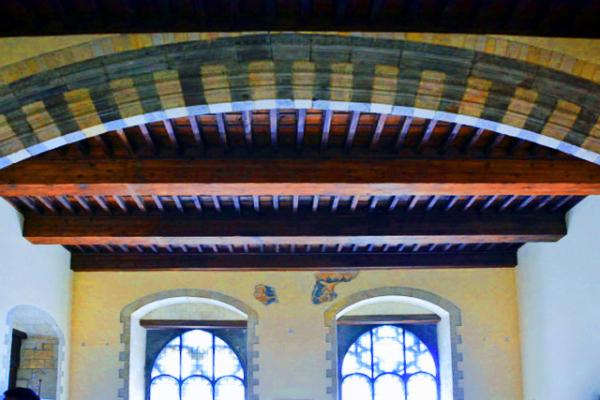 Vaulted Roof of Palazzo Vitelleschi Vaulted Roof of Palazzo Vitelleschi
(维泰列斯基宫·拱顶) 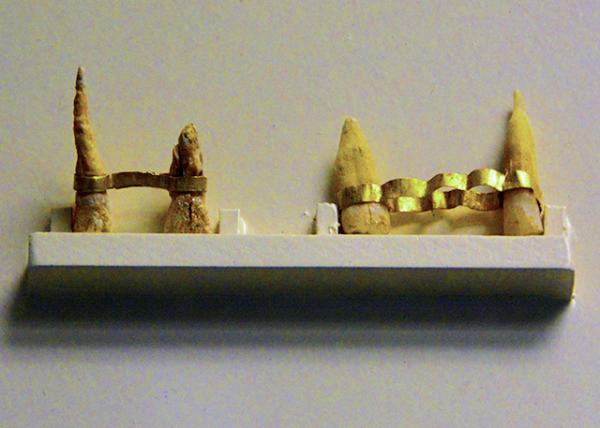 Diamonds (宝石) Diamonds (宝石)
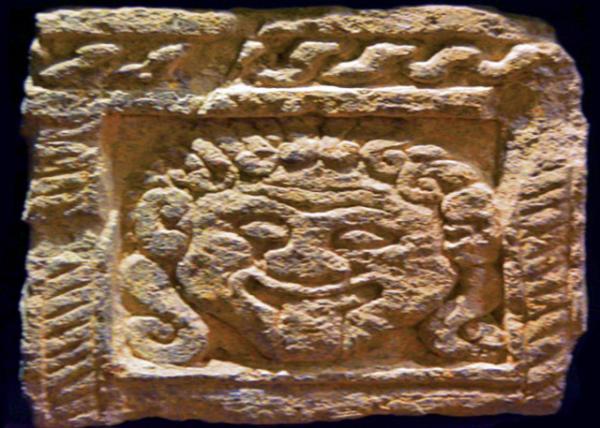 Archaic Funerary (古代葬品) Archaic Funerary (古代葬品)
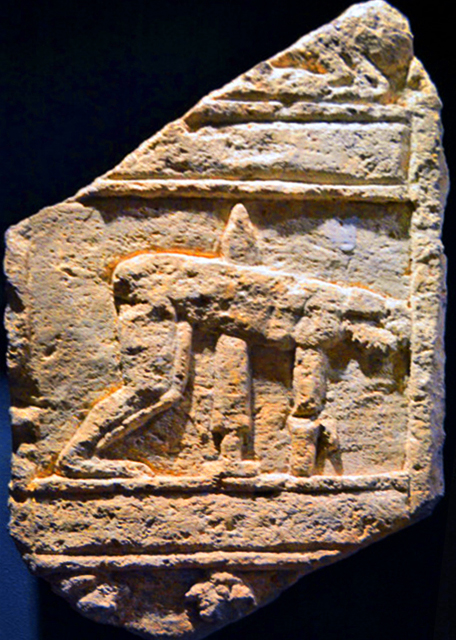
Funeral Slabs (葬板) 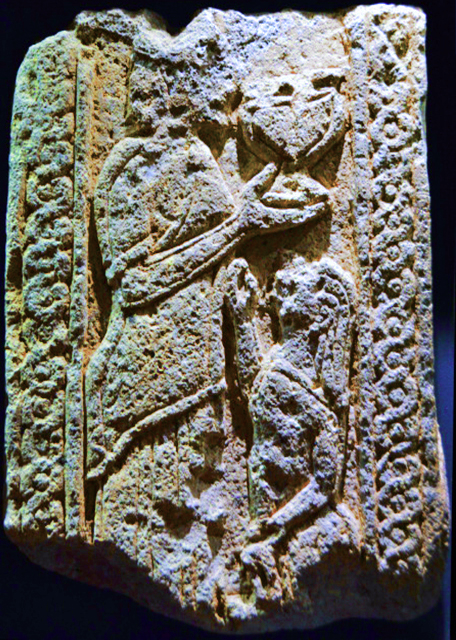
Etruscan Boy (伊特鲁里亚男孩)
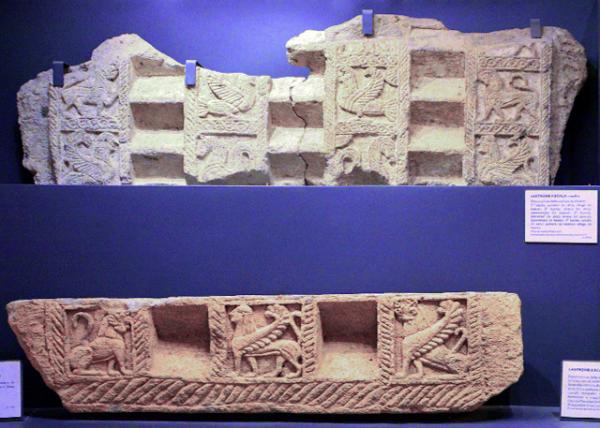 Top: Archaic Funerary | Bottom: Etruscan Relief w/ Sphinxes Top: Archaic Funerary | Bottom: Etruscan Relief w/ Sphinxes
(上:古代葬品 | 下:伊特鲁里亚人浮雕带有狮身女怪) 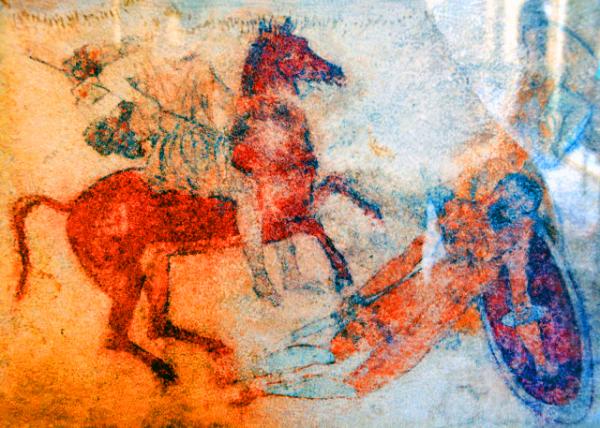 Mural of Grave Art (墓地艺术·壁画) Mural of Grave Art (墓地艺术·壁画)
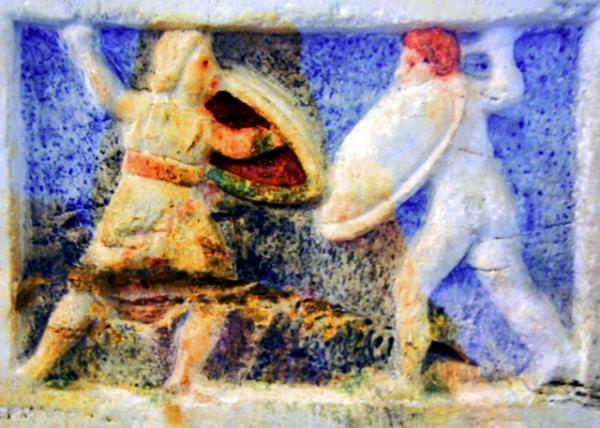 Fresco of Grave Art (墓地艺术·浮雕) Fresco of Grave Art (墓地艺术·浮雕)
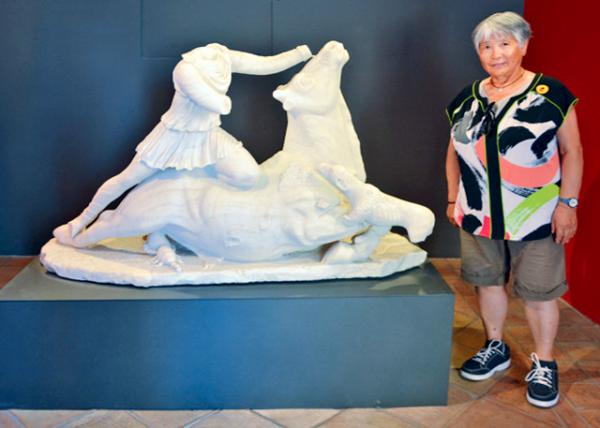 God Mithras, Killing the Bull God Mithras, Killing the Bull
(《密特拉“誓言”神·屠牛》 07-18-2018) 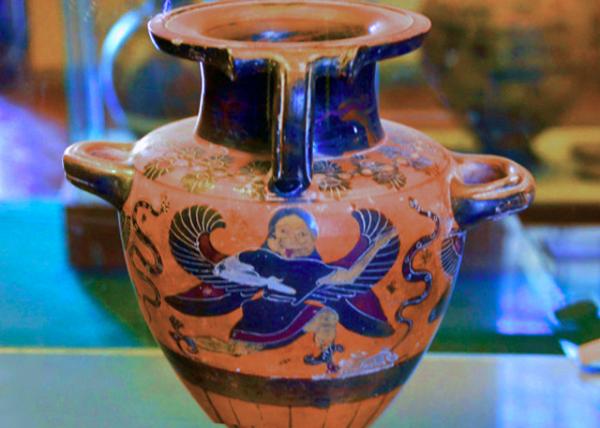 Ceramic Vase, a Black-figure Hydria from the Archaic Period Ceramic Vase, a Black-figure Hydria from the Archaic Period
(陶瓷花瓶·古风时期黑绘水罐) 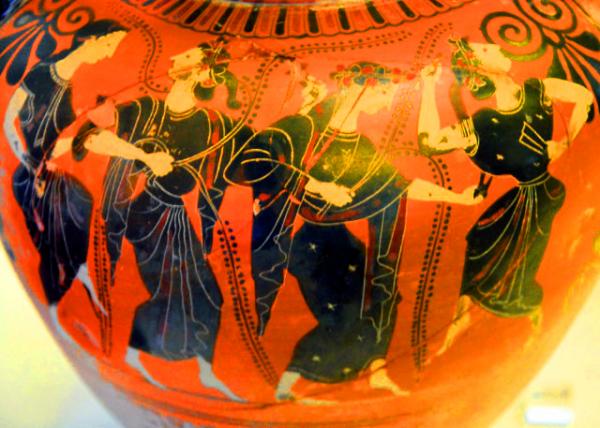 Greek Black-figure Vase, Depicting a Scene from the Judgement of Paris Greek Black-figure Vase, Depicting a Scene from the Judgement of Paris
(古希腊黑绘陶瓶·描绘了《帕里斯“保护者”的评判》中的一个场景) 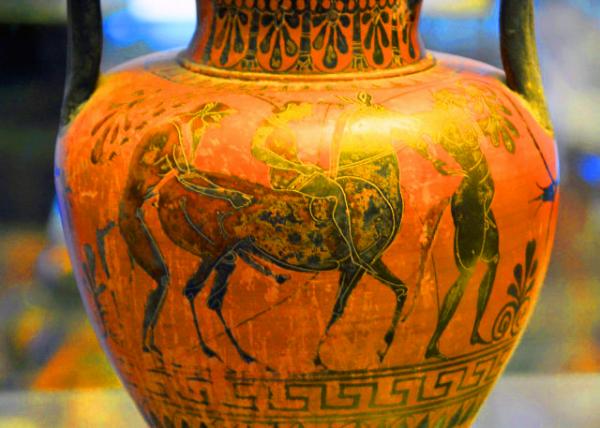 Greek Black-figure Pottery Vessel, Involving the Hero Hercules & the Centaur Nessus Greek Black-figure Pottery Vessel, Involving the Hero Hercules & the Centaur Nessus
(古希腊黑绘陶器·讲述了英雄赫拉克勒斯“大力神”和半人马涅索斯“摆渡人”的故事) 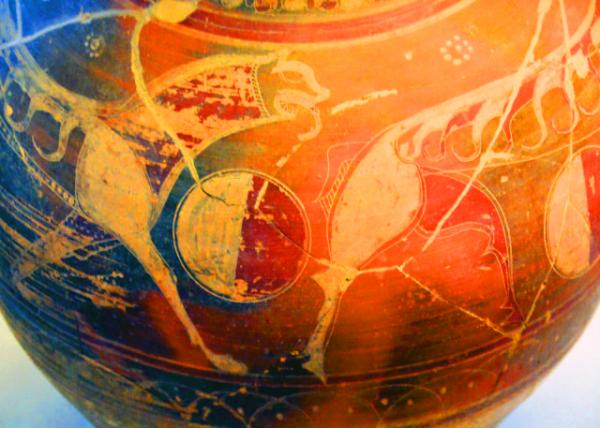 Greek Hydria, Featuring a Winged Figure, likely a Gorgon or Similar Mythological Creature, in the Black-figure Style Greek Hydria, Featuring a Winged Figure, likely a Gorgon or Similar Mythological Creature, in the Black-figure Style
(古希腊花瓶· 绘有带翼人物,可能是戈耳工“蛇发女妖”或其它类似的神秘生物,采用黑绘风格) 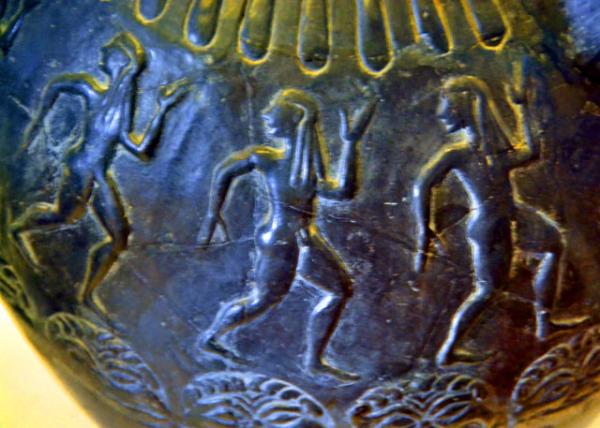 Black-figured Hydria in the Mid-6th Century BC, Involved Painting Silhouettes onto Clay & Incising Details w/ a Needle before Firing Black-figured Hydria in the Mid-6th Century BC, Involved Painting Silhouettes onto Clay & Incising Details w/ a Needle before Firing
(公元前6世纪中期的黑绘水罐:其制作工艺涉及在陶土上绘制剪影,并在烧制前用针刻画细节) 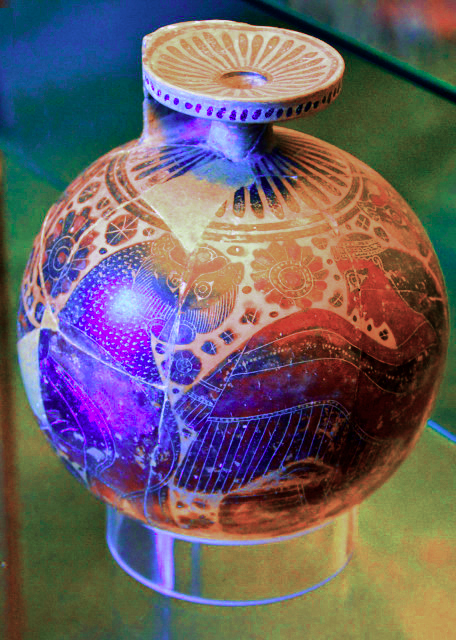
Corinthian Aryballos, Decorated in the Black-figure Technique (科林斯“黑暗镜像”香瓶·采用黑绘技法进行装饰) 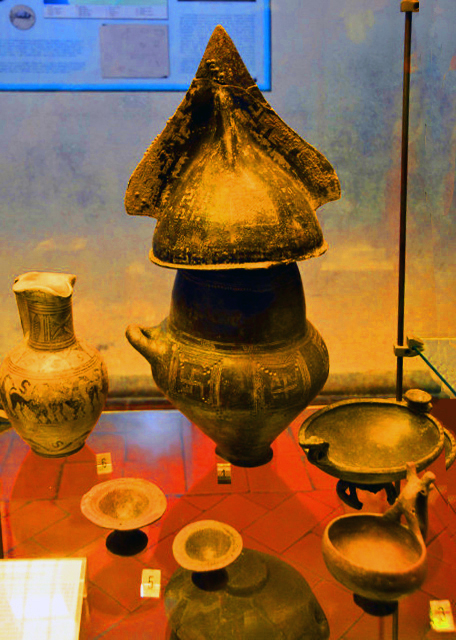
Villanovan Biconical Cinerary Urn from the 9th–8th Century BC (公元前9—8世纪的维拉诺瓦“新城”双锥形骨灰瓮) 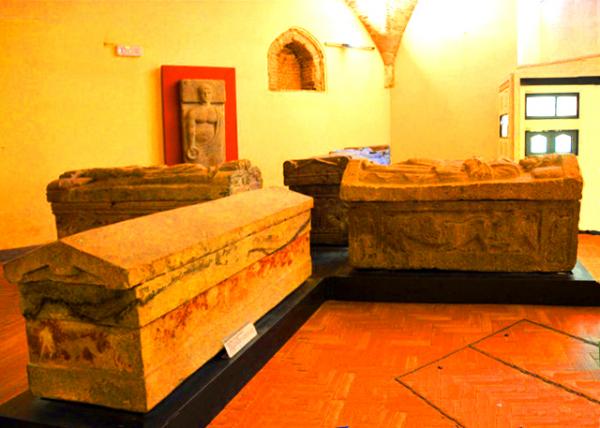 Etruscan Marble & Alabaster Sarcophagi Etruscan Marble & Alabaster Sarcophagi
(伊特鲁里亚大理石和雪花石膏石棺) 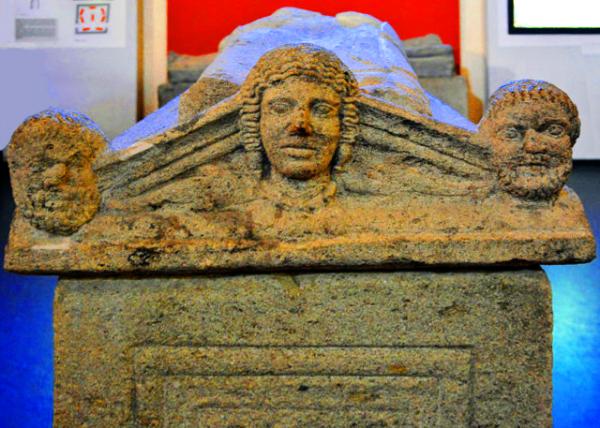 Etruscan Sarcophagus Decorated w/ a Bas-Relief on the Chest Etruscan Sarcophagus Decorated w/ a Bas-Relief on the Chest
(伊特鲁里亚石棺上饰有浅浮雕) 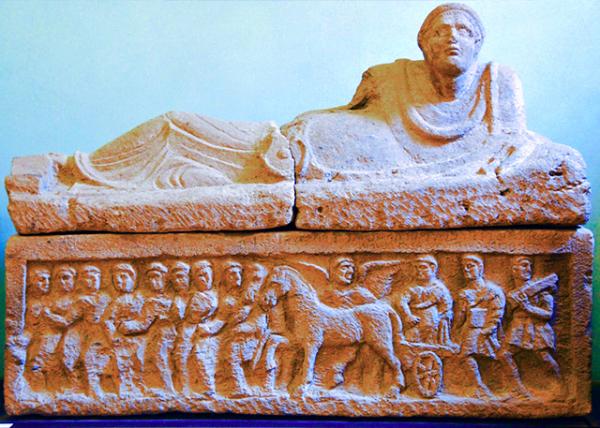 Sarcophagus of Laris Pulenas w/ a Relief on the Box, Depicting the Funerary Procession of the Dead Sitting on a Chariot; Led to the Underworld by a Winged God & Followed by a Lictor, a Roman Officer Escorted Magistrates Sarcophagus of Laris Pulenas w/ a Relief on the Box, Depicting the Funerary Procession of the Dead Sitting on a Chariot; Led to the Underworld by a Winged God & Followed by a Lictor, a Roman Officer Escorted Magistrates
(拉里斯·普列纳斯“治安官”的石棺拉里斯——棺材上有浮雕,描绘了死者坐在战车上的送葬队伍;由带着翅膀的神祗引领前往冥界,后面跟着扈从,扈从是护送治安官的罗马军官) 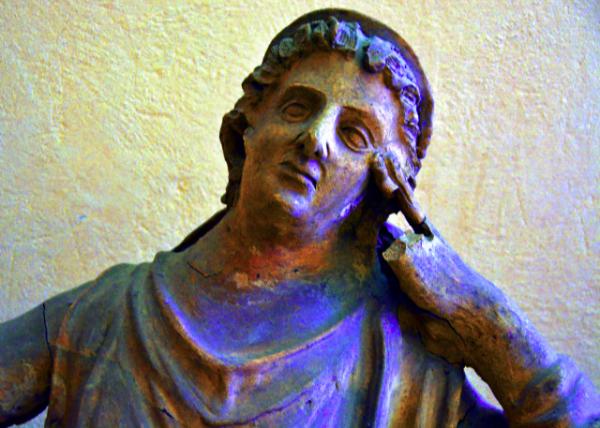 Sculpture on Terracotta Sarcophagus (石棺陶俑) Sculpture on Terracotta Sarcophagus (石棺陶俑)
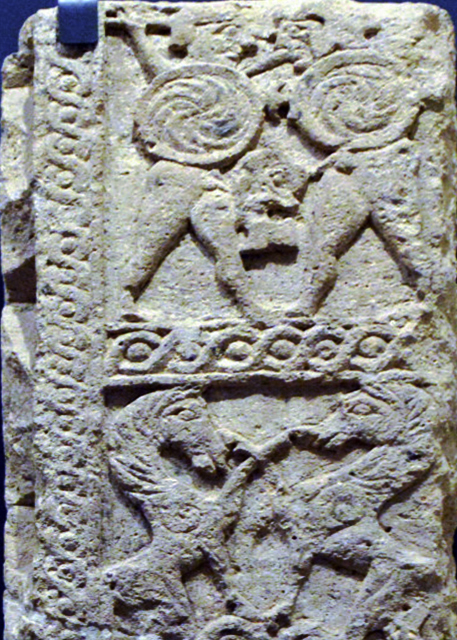
Funerary Sculpture of Lastrone a Scala or Stair Slab Relief Carved from Nenfro, a Volcanic Tuff (阶梯石板式丧葬雕塑·以火山凝灰岩雕刻而成的浮雕)
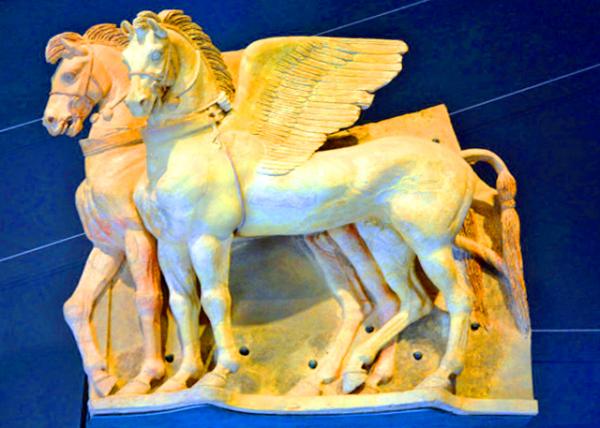 Winged Horses Relief Decorating the Pediment of the Ara della Regina Terracotta in the 4th Century Winged Horses Relief Decorating the Pediment of the Ara della Regina Terracotta in the 4th Century
(公元4世纪用于装饰塔奎尼亚神庙山墙的陶彩飞马) 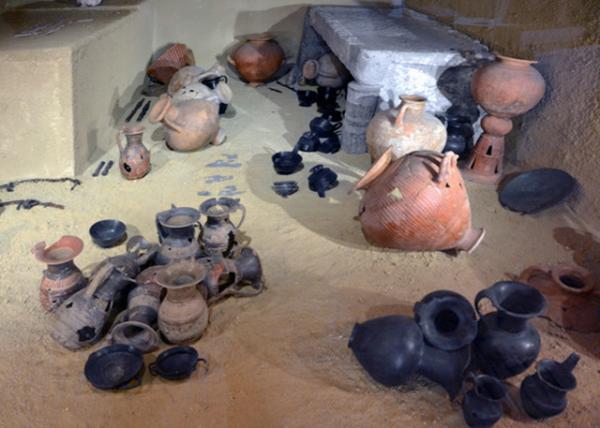 Grave Goods, Traditionally Buried w/ the Dead, Including Terracotta Amphorae, Vases, & Other Ceramic Containers Grave Goods, Traditionally Buried w/ the Dead, Including Terracotta Amphorae, Vases, & Other Ceramic Containers
(随葬品·按传统习俗与逝者同葬,包括陶质双耳瓶、花瓶及其它陶制容器)
Crosslinks(相关博文): Italy(出游意大利)
Europe(欧洲掠影) 9th Grade(高中一年级) |