2024-06-05 Festival of Popular Delusions Day
【Absent Soul (Alma ausente)】 Frederico García Lorca (1898-1936) Neither the bull nor the fig tree knows you,
Neither the horses nor the ants in your house, Neither the baby knows you nor the afternoon, Because you have died forever.
Neither the back of the stone knows you Nor the black satin where you rest forever. Neither your silent memory knows you Because you have died forever.
The autumn will come with shells, Grapes, fog and clustered mountains, But no one will want to look at your eyes Because you have died forever.
Because you have died forever, Like all the dead of the Earth, Like all the dead who are forgotten In a pile of lifeless dogs.
Nobody knows you. No. But I sing of you. I sing of your way of being and of your grace. The distinguished maturity of your knowledge. Your appetite for death and of the taste of your mouth, The sadness that your brave joy had.
It will take a long time to be born again, An Andalusian so clear, so rich in adventure. I sing of his elegance with my words that moan And I remember a sad breeze through the olive trees. —— • —— • —— • —— • —— • —— • —— • —— 【《缺席的靈魂》】 (西班牙)費德里科·加西亞·洛爾卡“和平統帥·矛·光明之神” (1898生—1936卒) 【北島譯】 牛和無花果樹都不認識你, 馬和你家的螞蟻不認識你, 孩子和下午不認識你, 因為你已長眠。
石頭的腰肢不認識你, 你碎裂其中的黑緞子不認識你。 你沉默的記憶不認識你, 因為你已長眠。
秋天會帶來白色小蝸牛, 朦朧的葡萄和聚集的山, 但沒有人會窺視你的眼睛 因為你已長眠。
因為你已長眠, 象大地上所有死者, 象所有死者被遺忘 在成堆的死狗之間。
沒有人認識你。沒有。而我為你歌唱。 為了子孫我歌唱你的優雅風範。 歌唱你所理解的爐火純青。 歌唱你對死的胃口和對其吻的品嘗。 歌唱你那勇猛的喜悅下的悲哀。
這要好久,可能的話,才會誕生 一個險境中如此真實豐富的安德露西亞人, 我用呻吟之詞歌唱他的優雅, 我記住橄欖樹林的一陣悲風。
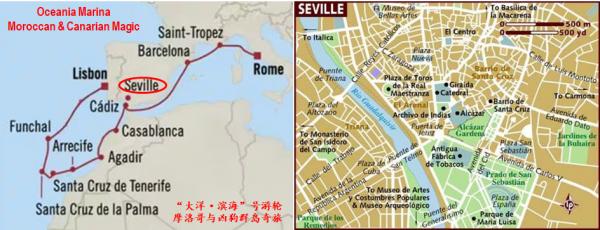
【注】塞維利亞“山谷”是安達盧西亞“漫遊地”的省府,西班牙第四大城市,也是南部文化與藝術的核心。老城內三座世界遺產靜靜矗立:阿爾卡薩爾“城堡”皇宮(Real Alcázar)、塞維利亞大教堂與西印度群島檔案館;大谷河畔的黃金塔,仍映照着黃金艦隊的餘暉。聖十字區街巷狹窄彎曲,庭院與古建築交錯;河對岸的特里亞納“純淨”區(Barrio de Triana),是弗拉門戈“流浪者”的搖籃,吉他與歌聲至今在酒巷深處迴蕩。13世紀基督徒終結了摩爾“北非穆斯林”人500多年的統治,大教堂的吉拉爾達“威武”塔(Giralda)——原為清真寺宣禮塔——在改造後兼容了伊斯蘭紋飾與天主教穆德哈爾“馴服”(Mudejar)遺風,成為兩種文明交疊的沉默見證。 塞維利亞素有“西班牙煎鍋”之稱,六月初氣溫已攀升至35oC/95oF。當地人卻習以為常,長褲長衣,手持摺疊扇,陽光再烈,步伐依舊從容。 我坐在大教堂陰影下的石階上,看着陽光將吉拉爾達塔的幾何紋路切割成明暗相間的碎片。街角的老人正緩緩展開一把扇子,那動作不急不躁,仿佛在與高溫進行一場默契的談判。那一刻我忽然覺得,塞維利亞教會我的,不是如何躲避炎熱,而是如何在灼熱中仍然保持自己的節奏——像那些被陽光反覆烘烤卻依然挺立的石牆,在熾烈的溫度里,學會用沉默來回應。而這,也許是這座城池給予每一位到訪者最深的饋贈。 Today in History(歷史上的今天): 2024: Cadiz, the Oldest City in Spain(西班牙最古老的城市—加的斯城) 2024: 2024: Seville Cathedral, Spain(西班牙塞維利亞·城大教堂) 2024: Alcazar Real in Seville, Spain(西班牙塞維利亞·城堡皇宮) 2024: Plaza de Espana in Seville, Spain(西班牙塞維利亞·西班牙廣場) 2022 GHCS Commencement, PA(2022屆賓州光華中文學校畢業典禮) 2013屆賓州光華畢業典禮拾遺(2013 GHCS Commencement·Potpourri) 2009: 繁星─朋友(Friends & Stars) 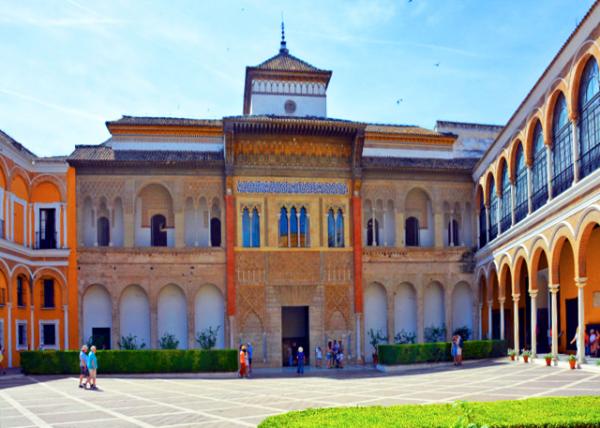 Real Alcázar de Sevilla, Façade of King Pedro I & Patio de la Montería & the UNESCO World Heritage Site Real Alcázar de Sevilla, Façade of King Pedro I & Patio de la Montería & the UNESCO World Heritage Site
(塞維利亞皇家城堡——佩德羅“磐石”國王一世王宮正面觀和狩獵庭院,《世界遺產名錄》所在地) 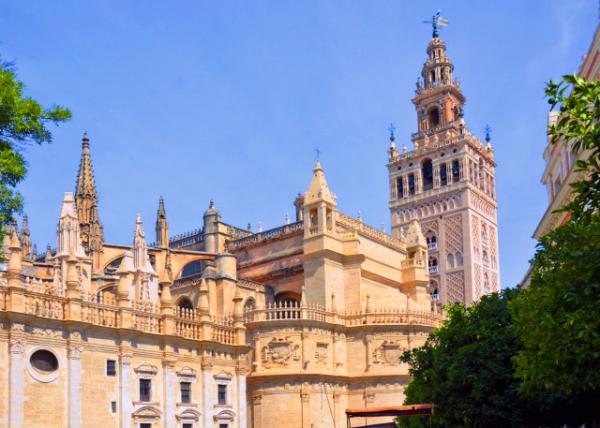 Cathedral of Saint Mary of the See, Christendom's Largest Gothic Church w/ a Marvelous Edifice Boasting Christopher Columbus' Sepulcher & the Giralda, an Iconic Arab Minaret as well as the UNESCO World Heritage Site Cathedral of Saint Mary of the See, Christendom's Largest Gothic Church w/ a Marvelous Edifice Boasting Christopher Columbus' Sepulcher & the Giralda, an Iconic Arab Minaret as well as the UNESCO World Heritage Site
(聖母大教堂——基督教世界最大的哥特式教堂,擁有克里斯托弗·哥倫布“基督徒·鴿子”墓的宏偉建築和阿拉伯標誌性威武尖塔,《世界遺產名錄》所在地) 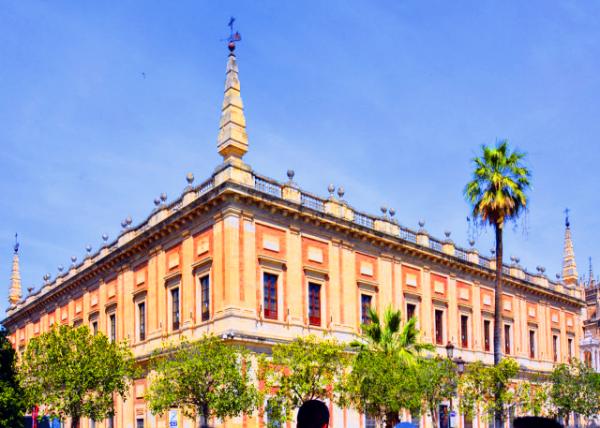 General Archive of the Indies in the 16th-Century Renaissance Style @ the UNESCO World Heritage Site General Archive of the Indies in the 16th-Century Renaissance Style @ the UNESCO World Heritage Site
(西印度檔案總館·16世紀文藝復興風格,《世界遺產名錄》所在地) 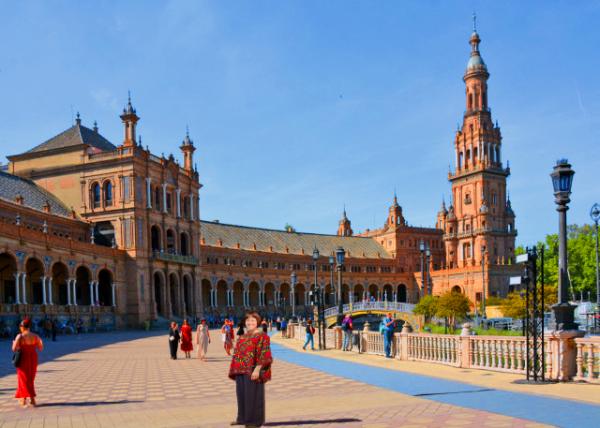 Plaza de España in Regionalism Architecture Mixing Elements of the Baroque Revival, Renaissance Revival, & Moorish Revival (Neo-Mudéjar) Styles of Spanish Architecture Plaza de España in Regionalism Architecture Mixing Elements of the Baroque Revival, Renaissance Revival, & Moorish Revival (Neo-Mudéjar) Styles of Spanish Architecture
(西班牙廣場·地域主義建築融合了巴洛克復興、文藝復興和摩爾復興/穆德哈爾的風格元素 06-05-2024) 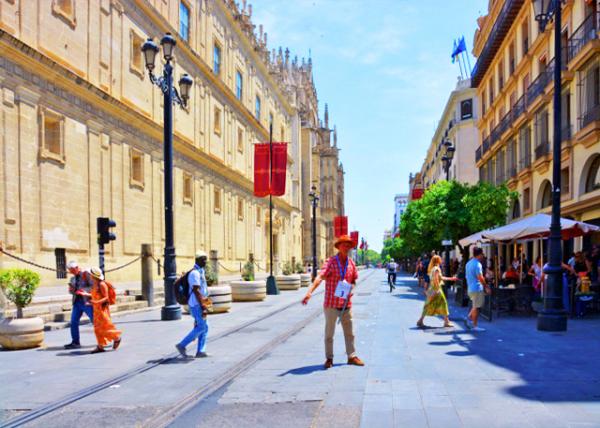 Calle de los Alemanes (阿爾埃馬內斯“德國佬”街) Calle de los Alemanes (阿爾埃馬內斯“德國佬”街)
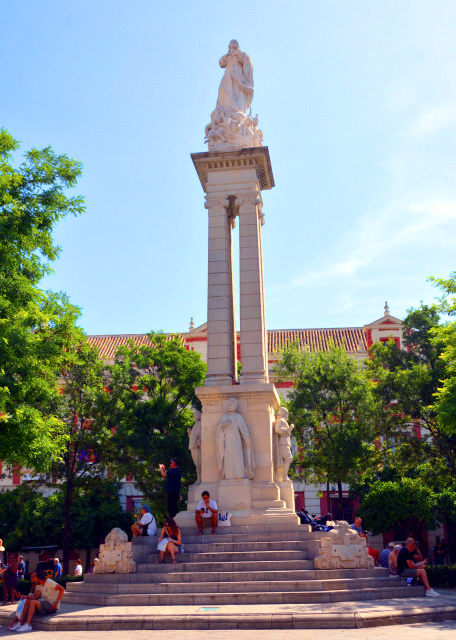
Monument of the Immaculate Conception (聖母無染原罪紀念碑) 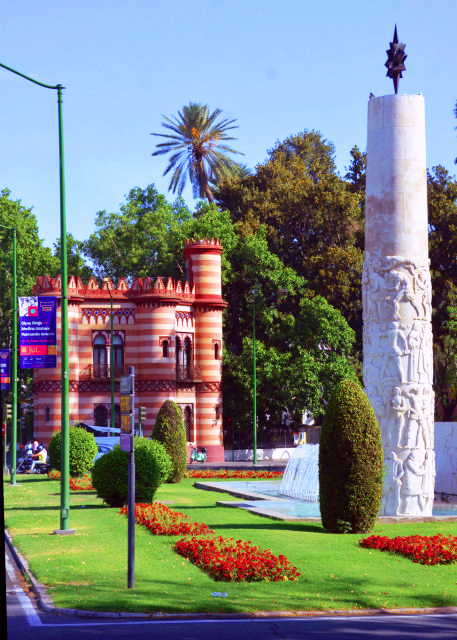
Monument to Simon Bolivar in Front of Queen's Sewing Box (“聆聽·強大”紀念碑與後面的女王縫紉箱) 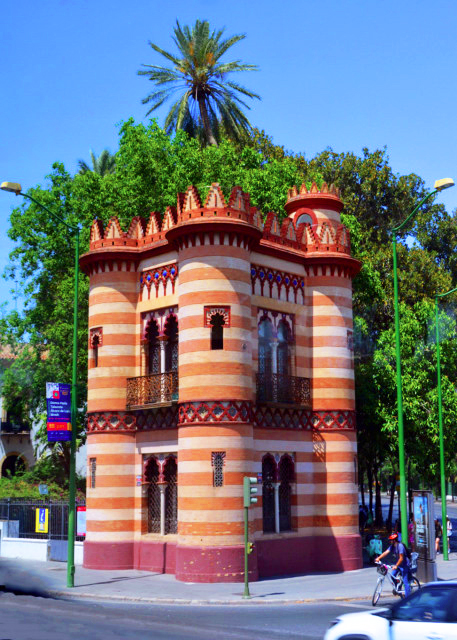
Costurero de la Reina or Queen's Sewing Box in the 19th-Century Neomudéjar Style (19世紀新穆德哈爾風格的女王縫紉盒) 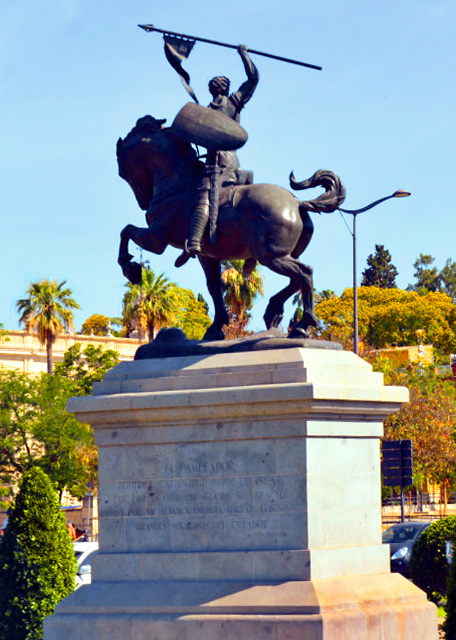
El Cid, Warlord of the Medieval Spanish Kingdom of Castile & Most Celebrated Hero of Spain Exemplified by his Leading of the Christian Armies During the Reconquista (塑像《熙德“領主”》——中世紀西班牙城堡王國的軍閥,也是西班牙最著名的英雄,因其在收復失地運動期間領導基督教軍隊而聞名) 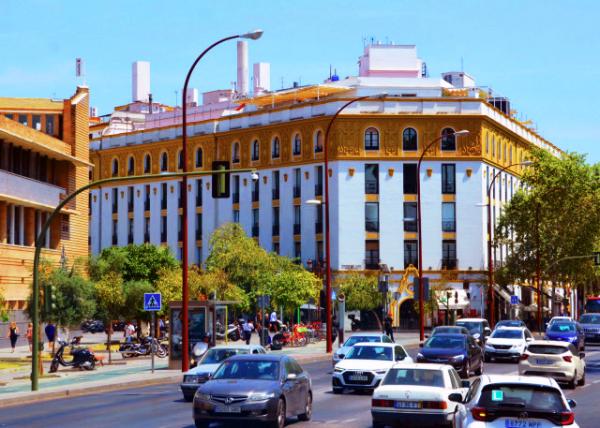 Edificio Cristina in a Fusion Between Neocolonial Architecture and Art Deco Edificio Cristina in a Fusion Between Neocolonial Architecture and Art Deco
(克里斯蒂娜“基督徒”大廈·融合了新殖民主義建築設計和裝飾藝術風格) 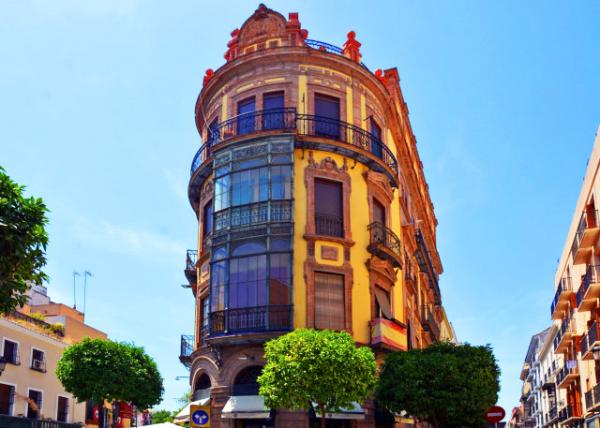 El Arenal, a Low-Lying, Sandy Area & Previously the Main Home of the Sevillan Underworld, & the Site of the Notorious Brothel El Arenal, a Low-Lying, Sandy Area & Previously the Main Home of the Sevillan Underworld, & the Site of the Notorious Brothel
(阿雷納爾“沙地”·低洼區域,曾是塞維利亞黑社會總部和臭名昭著的妓院所在地)
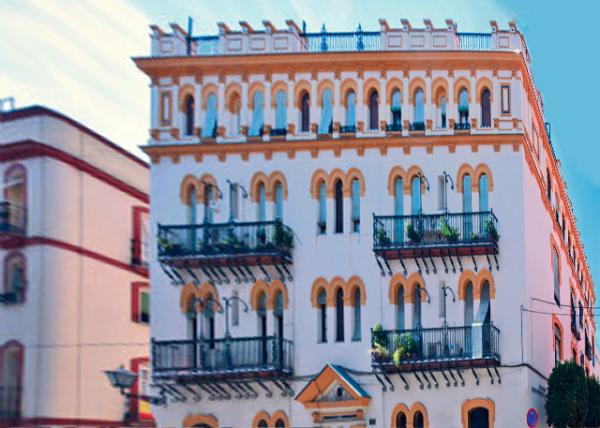 Apartamentos Puerta de la Maestranza in a Yellow & White Bldg w/ Arched Windows Apartamentos Puerta de la Maestranza in a Yellow & White Bldg w/ Arched Windows
(鬥牛場之門公寓·帶有黃白色拱形窗戶的大樓) 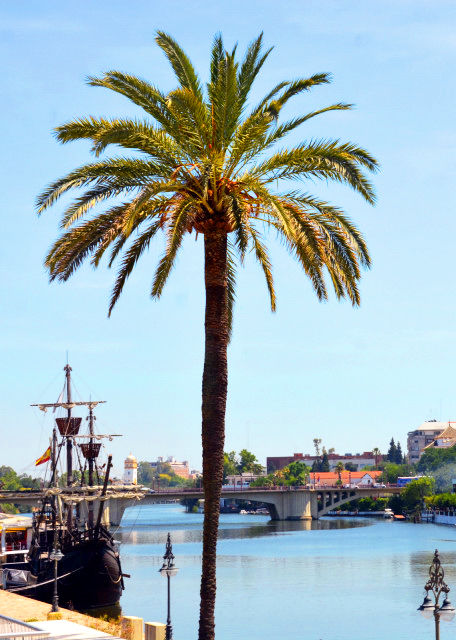
Guadalquivir River, the Only Navigable River in Spain (瓜達爾基維爾“大河”·西班牙唯一可通航的河流) 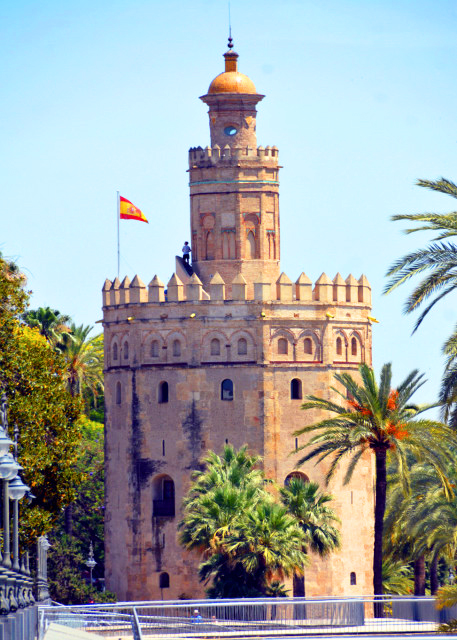
Torre del Oro, the Fortress & Prison During the Middle Ages Dodecagonally in the 12th Century (十二角形的黃金塔·中世紀的堡壘和監獄) 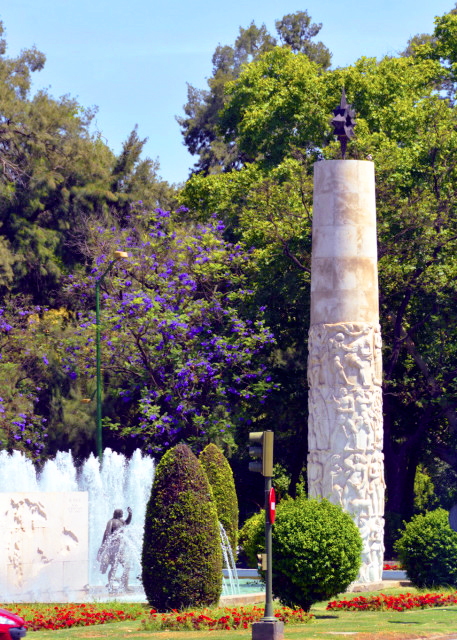
Monument to Juan Sebastian Elcano, Departure from Seville in 1519 around the World for the 1st Time aboard the Victoria on the Magellan Expedition to the Spice Islands (胡安·塞巴斯蒂安·埃爾卡諾“神慈·敬佩·出海”紀念碑——1519年首次從塞維利亞出發,乘坐維多利亞“勝利女王”號大帆船前往香料群島) 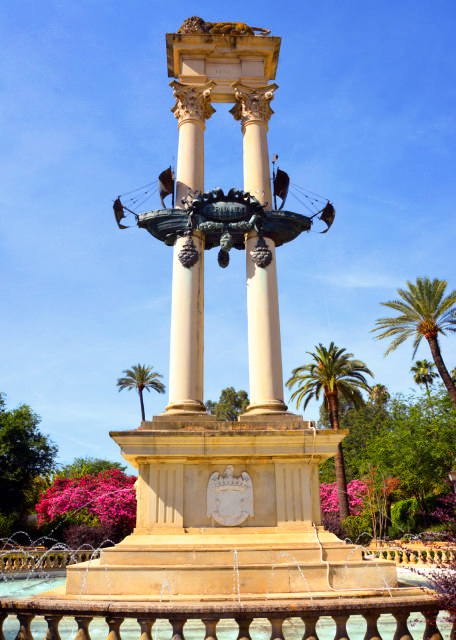
Monument to Christopher Columbus @ Gardens of Murillo (牆園——克里斯托弗·哥倫布紀念碑) 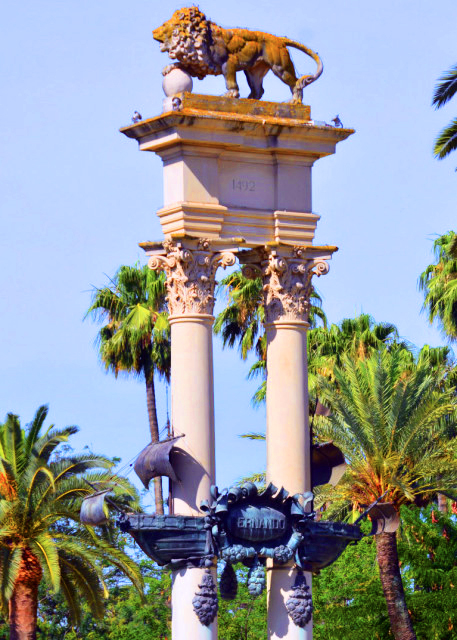
Monument to Christopher Columbus w/ a Pillar Representing a Spanish Galleon, Symbolic of How the Spaniards Conquer, Colonize, & Trade w/ the Rest of Its Empire (克里斯托弗·哥倫布紀念碑——擁有代表西班牙大帆船的柱子,象徵着西班牙人如何征服、殖民和與帝國其他地區的貿易)
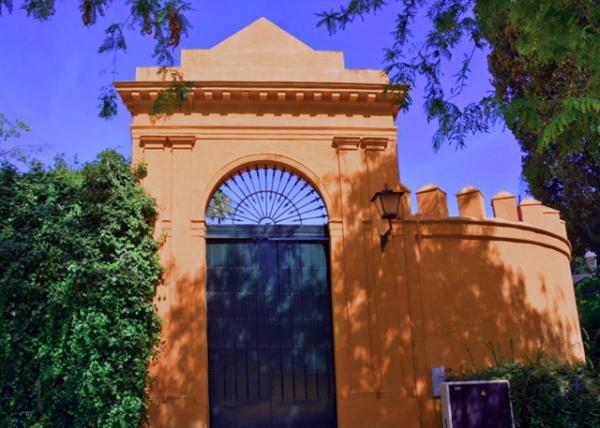 Puerta de la Alcoba @ Gardens of Murillo Puerta de la Alcoba @ Gardens of Murillo
(穆里略“小牆”花園·阿爾科巴“圓頂”門)
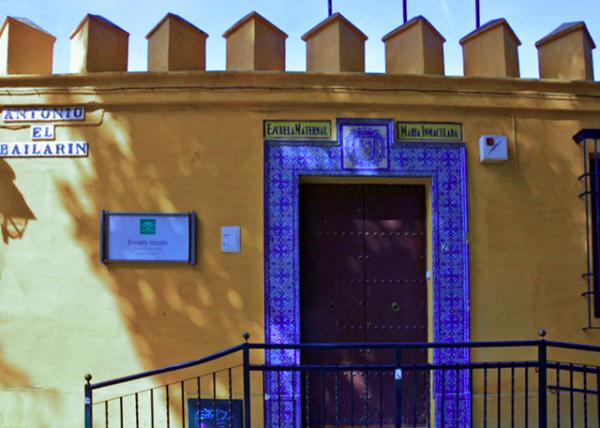 Double Royal Wooden Doors Surrounded by Tiles @ Gardens of Murillo Double Royal Wooden Doors Surrounded by Tiles @ Gardens of Murillo
(穆里略花園·雙開皇家木門,四周瓷磚環繞) 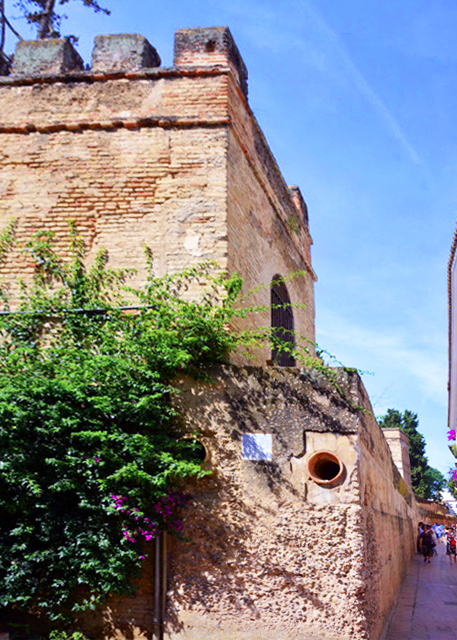
Callejón del Agua or Water Alley from the 12th Century @ Plaza de Alfaro, Barrio de Santa Cruz (十字架區燈塔廣場上12世紀的水巷) 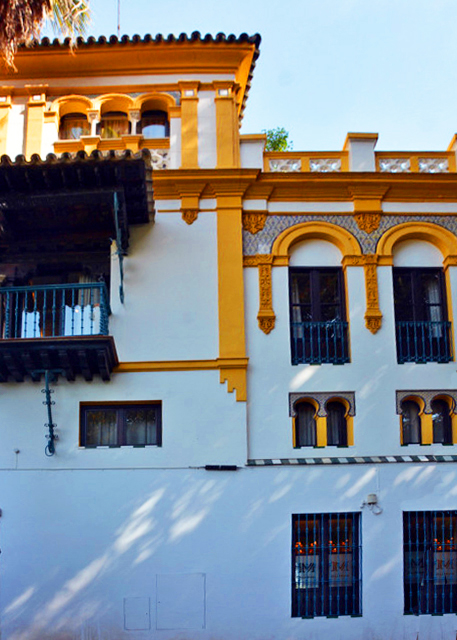
Façade of Traditional Spanish House @ Plaza de Alfaro (燈塔廣場·傳統西班牙民居正面觀) 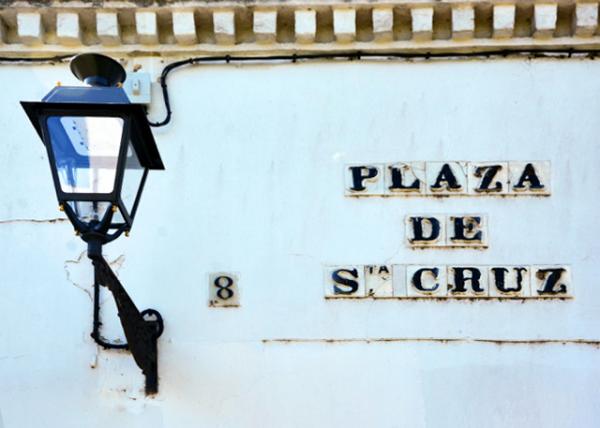 Sign of Plaza Santa Cruz (十字架廣場·路牌) Sign of Plaza Santa Cruz (十字架廣場·路牌)
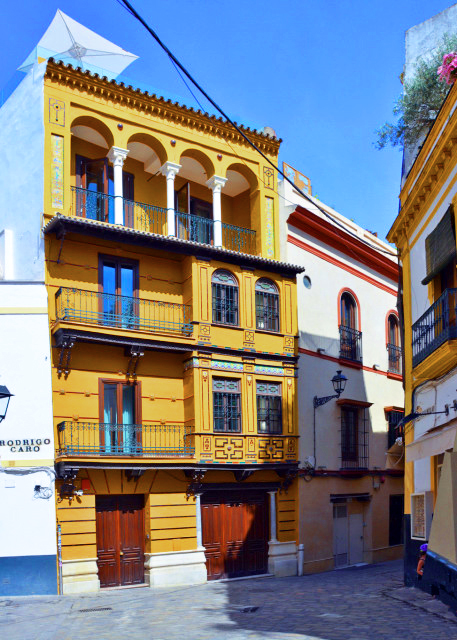
Andalusia House @ Calle Rodrigo Caro (羅德里戈·卡羅“著名統治者·慈愛”街——安達盧西亞風格的民居) 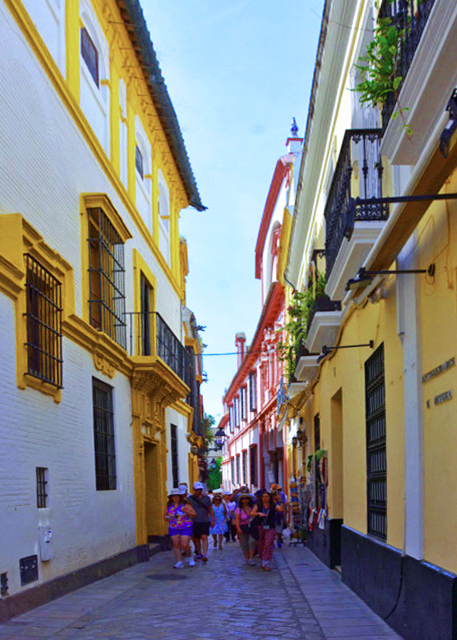
Gallivanting around Houses in Andalusian Yellow (閒步在安達盧西亞的黃色房屋周圍) 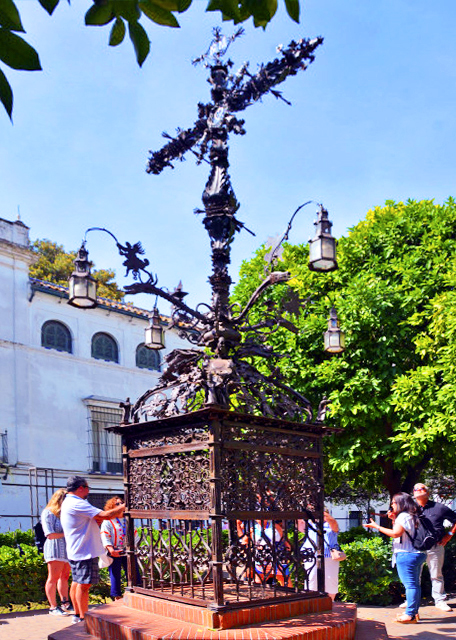
Cross of the Serpent in the Former Jewish Quarter of the Medieval City (中世紀城老猶太區的蛇十字架) 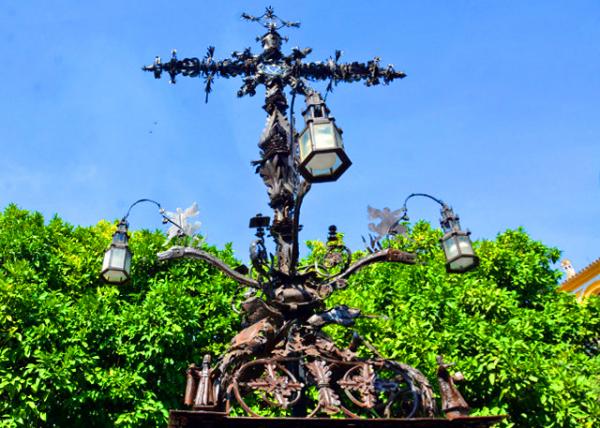 Ornate Iron Cross & Lanterns (華麗的鑄鐵十字架和燈籠) Ornate Iron Cross & Lanterns (華麗的鑄鐵十字架和燈籠)
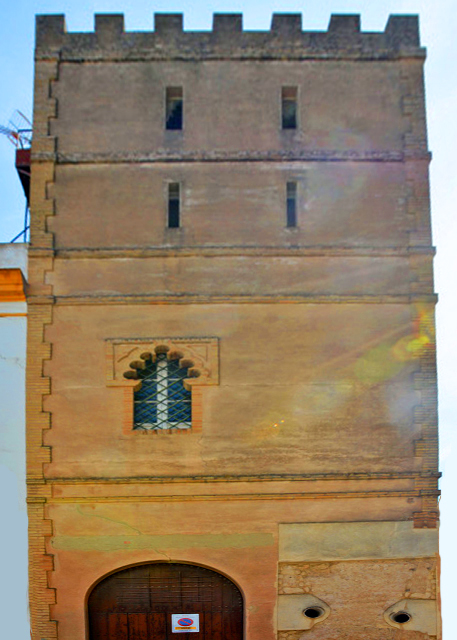
Rectangular Tower (矩形塔) 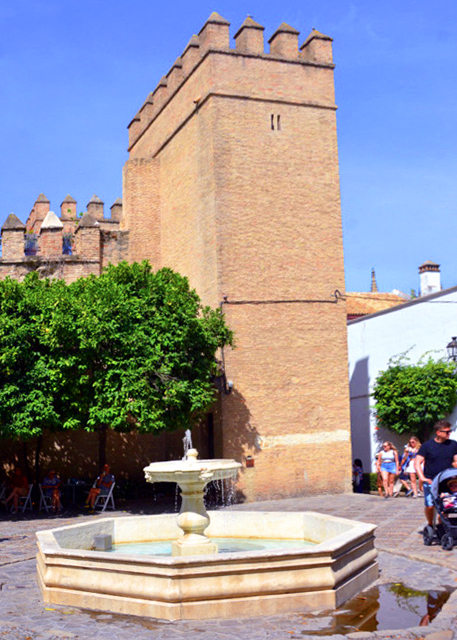
Fountain of the Jewish Quarter (猶太區噴泉) 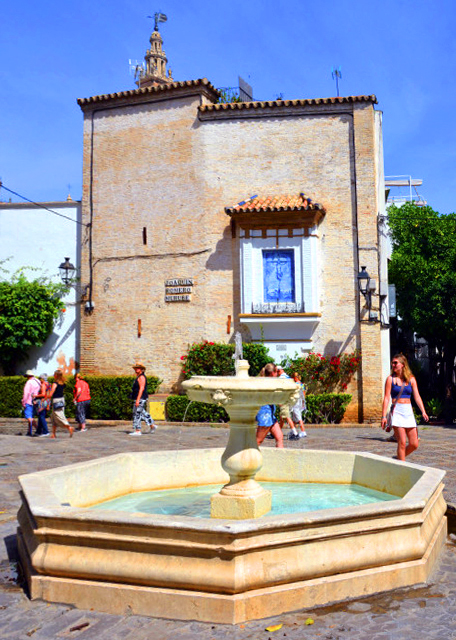
Plaza de la Alianza, Barrio Santa Cruz, or Parish of the Holy Cross in the Oldest Part of the City, Being Within the City Walls Built by the Romans in the 1st Century (聖十字區即城市最古老部分的聖十字教區聯盟廣場·位於公元1世紀羅馬人修建的城牆內) 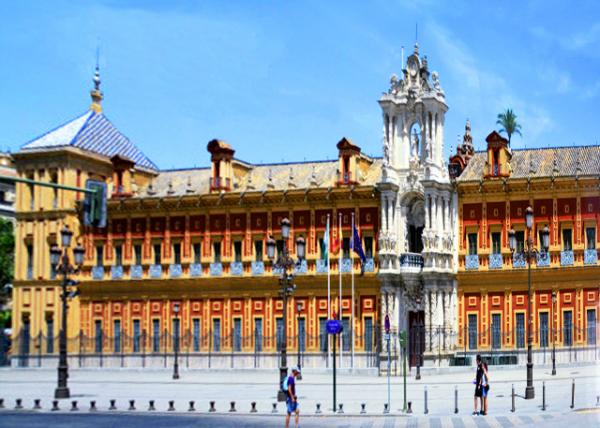 Palacio de San Telmo Built on Land Owned by the Tribunal of the Holy Office or the Infamous Spanish Inquisitors, in the Spanish Baroque Style in 1754 Palacio de San Telmo Built on Land Owned by the Tribunal of the Holy Office or the Infamous Spanish Inquisitors, in the Spanish Baroque Style in 1754
(聖特爾莫“神聖的守護者”宮·建於1754年,為西班牙巴洛克式建築,位於宗教裁判所即臭名昭著的西班牙宗教裁判所擁有的地盤上) 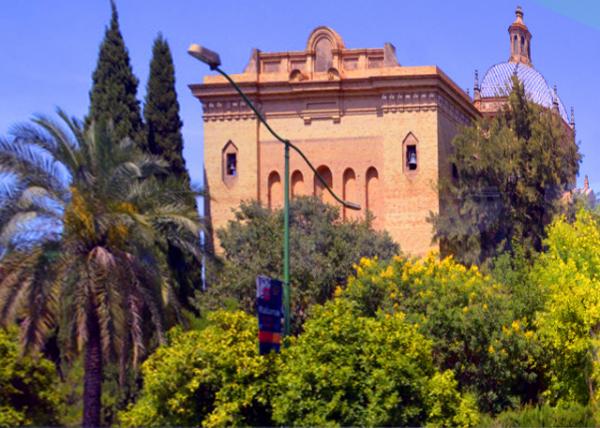 Pantheon of Illustrious Sailors, a Mausoleum & Memorial to All the Mariners of the Spanish Navy in the 18th-Century Romanesque Pantheon of Illustrious Sailors, a Mausoleum & Memorial to All the Mariners of the Spanish Navy in the 18th-Century Romanesque
(傑出海員萬神殿·18世紀古羅馬風格的西班牙海軍官兵陵和紀念碑) 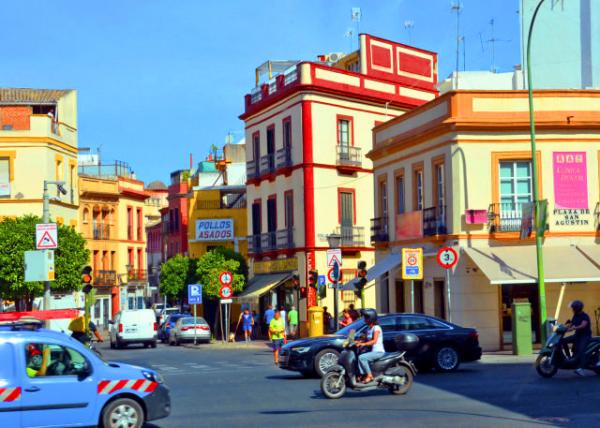 Neighborhood around Plaza de España Neighborhood around Plaza de España
(西班牙廣場居民區) 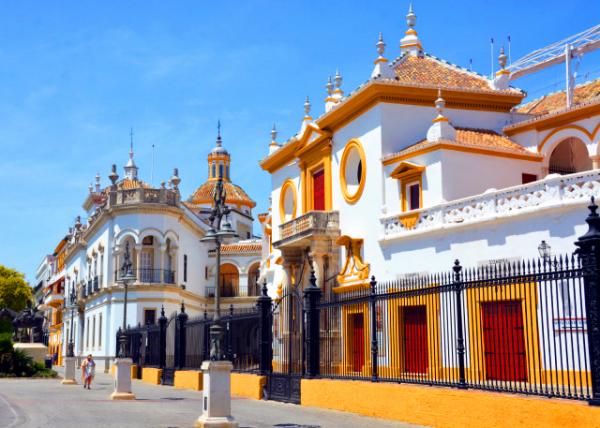 Plaza de Toros de la Real Maestranza de Caballería de Sevilla w/ Principal Façade in Baroque Style of the 18th-Century Plaza de Toros de la Real Maestranza de Caballería de Sevilla w/ Principal Façade in Baroque Style of the 18th-Century
(塞維利亞皇家騎兵軍械庫鬥牛場·主立面為18世紀巴洛克風格) 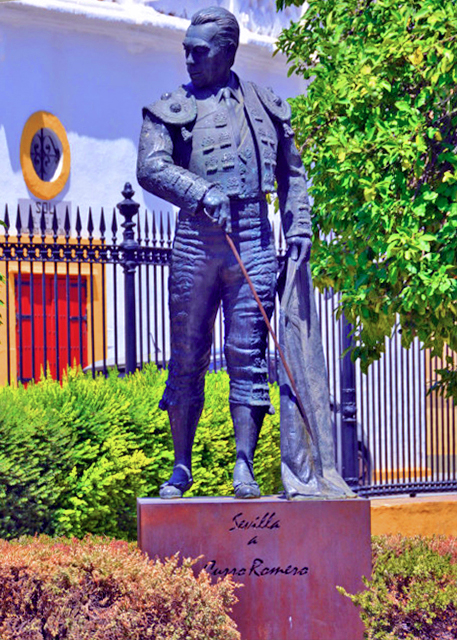
Bronze Statue of Curro Romero in the Bullring of the Real Maestranza (塞維利亞皇家騎兵軍械庫鬥牛場·西班牙鬥牛士銅像《自由人·朝聖》) 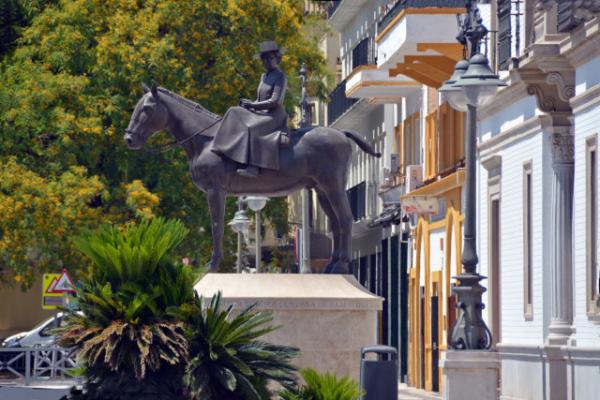 Statue Equestrian of Maria de las Mercedes, Princess of Asturias Statue Equestrian of Maria de las Mercedes, Princess of Asturias
(阿斯圖里亞斯“閃耀的光芒”瑪麗亞·梅賽德斯“憐愛·慈悲聖母”公主騎馬雕像) 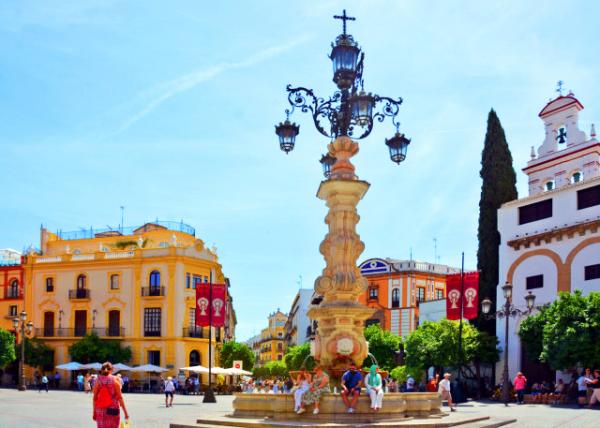 Plaza Virgen de los Reyes or the Virgin of the Kings Square Plaza Virgen de los Reyes or the Virgin of the Kings Square
(國王聖母廣場) 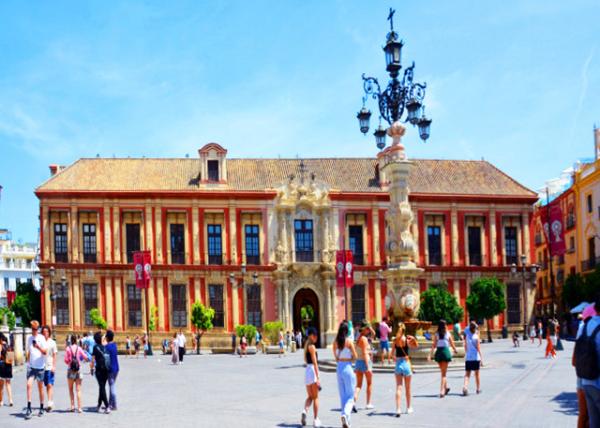 Palacio Arzobispal or Archbishop's Palace, the 18th-Century Seville Baroque @ Plaza Virgen de los Reyes Palacio Arzobispal or Archbishop's Palace, the 18th-Century Seville Baroque @ Plaza Virgen de los Reyes
(三王聖母廣場·18世紀塞維利亞巴洛克式大主教宮)
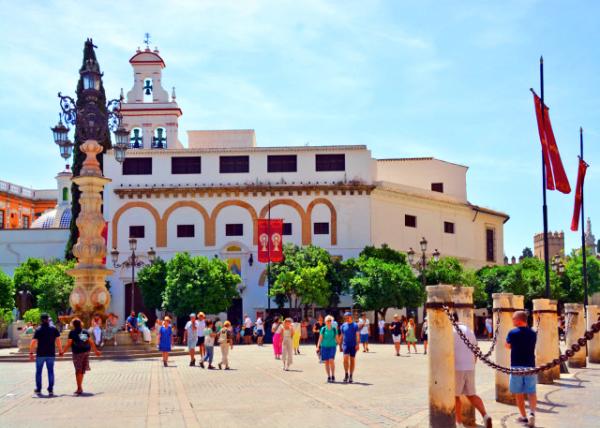 Convent of the Incarnation @ Plaza Virgen de los Reyes Convent of the Incarnation @ Plaza Virgen de los Reyes
(國王聖母廣場·聖母修道院) 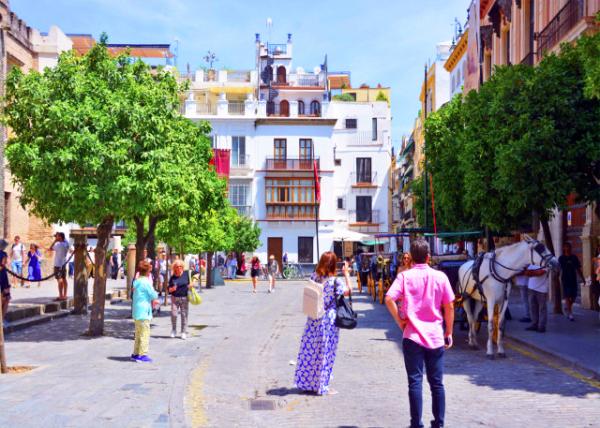 Plaza del Cabildo (市政廳廣場) Plaza del Cabildo (市政廳廣場)
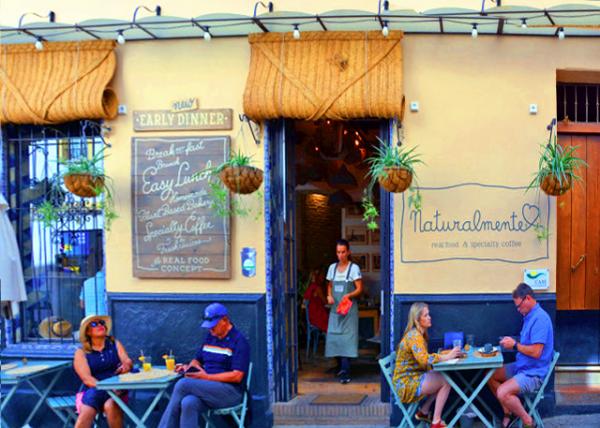 Outdoor of Naturalmente (天然餐廳·戶外) Outdoor of Naturalmente (天然餐廳·戶外)
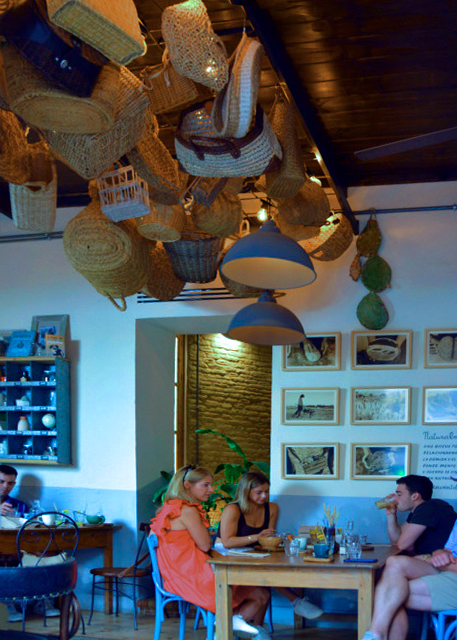
Indoor of Naturalmente (天然餐廳·室內) 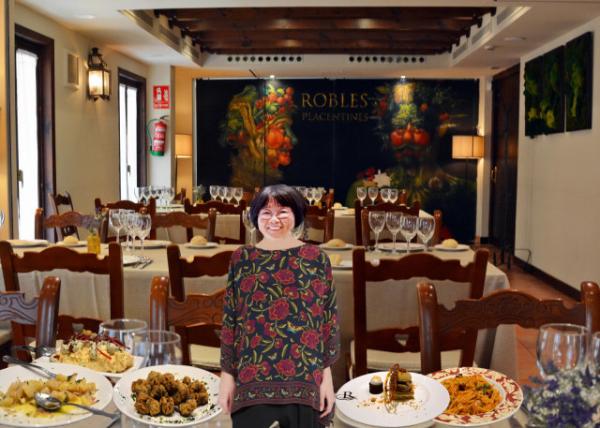 Casa Robles w/ a Lunch of Tapas, Potato Salads, Fish Nuggets, Spanish Garlic Noodles, & Andalusian Desserts Casa Robles w/ a Lunch of Tapas, Potato Salads, Fish Nuggets, Spanish Garlic Noodles, & Andalusian Desserts
(橡樹之家·午餐包括西班牙小吃:土豆沙拉、魚塊、西班牙蒜蓉麵條和安達盧西亞甜點 06-05-2024) 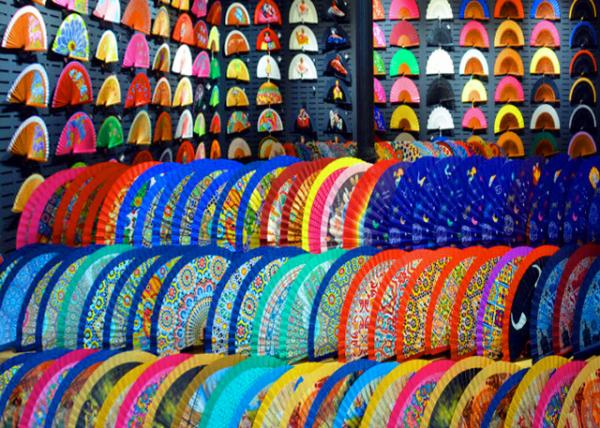 Abanicos or Spanish Folding Hand Fans (西班牙摺疊手扇) Abanicos or Spanish Folding Hand Fans (西班牙摺疊手扇)
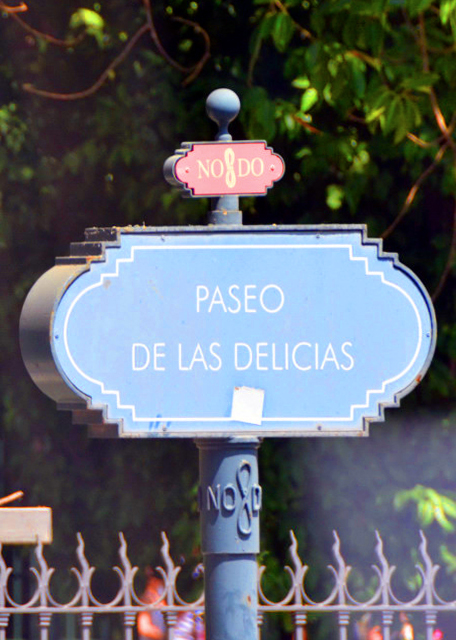
Paseo de las Delicias, or Walk of Delights, the Main Entry Way from Cadiz into the City of Seville (歡樂大道·從要塞城進入塞維利亞的門戶) Crosslinks(相關博文):
Spain(出遊西班牙)
Europe(歐洲掠影) |