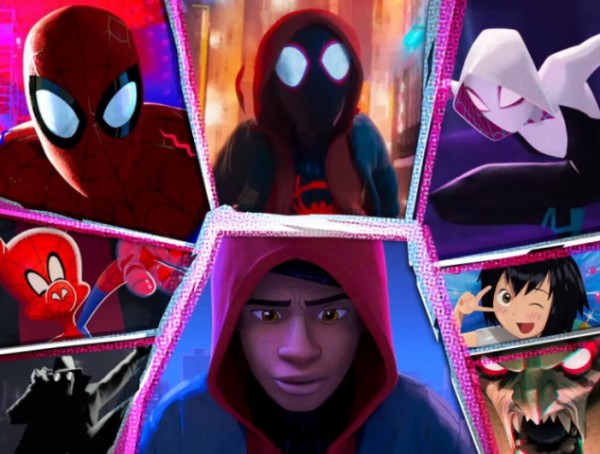
Spiderman: Into the Spider-Verse is a relatively recent big-screen animated Marvel film that introduces many new characters from numerous dimensions derived from multiple comic book series. From the classic Peter Parker to a slightly more vaccinated Peter Porker, the wide range of loosely based spider (and another animal) heroes band together with the main protagonist and freshly bitten Miles Morales to take on evil in the most flashy, comedic 1990s style possible.
Although the movie is almost two years old, I only recently watched the entire work via HBO's free quarantine access. It's not often that I come across films where the storyline isn't the main takeaway. Still, for this particular case, I walked away from this movie enjoying the plot and characters, most of all appreciating its detail and design. Animated projects from large studios over the past decade have featured smooth animation and picturesque artwork. Still, Spiderman: Into the Spider-Verse creates grand, colorful displays I find unparalleled by other movies. Whether it be whips of orange and red trees against a snow-covered forest floor or bright neon lights scattered across a midnight sky, each scene's beautifully crafted features engrain the story's acts in your mind. As I recall the entirety of the film, the drastic contrasts between setting colors symbolize the progression in Miles Morales' journey to becoming the ultimate Spiderman of his dimension. Beginning at rock bottom, he opens his superhero adventure with an escape through a chaotic red and orange swirling forest; gradually adapting to his mentor and companions, the movie shifts to another chaotic tussle in a cramped suburban house; finally, with Miles taking a leap of faith, the setting switches to a cool, calm black—the color of his suit. In a character-defining section of the film, a swell of heart-pumping music and a scene of impeccable artistry build the awe-inspiring cinematic spectacle of Miles Morales confidently backflipping off a glass high-rise into the glowing skyline of New York City below.
Spiderman: Into the Spider-Verse creates momentum like no other movie. I was satisfied with a wholesome, creative masterpiece, but my mind held a lingering curiosity. After finishing the fantastic hour and fifty-six-minute runtime, I researched a bit deeper on the animation to confirm this notion. As I hesitantly noticed in the first screening, Miles Morales, the newly bitten Spiderman, is indeed animated for the first two-thirds of the movie in twelve frames per second. In comparison, almost everything around him is drawn in a smoother twenty-four frames per second. In other words, Miles Morales appears jittery and unstable in his early outings, even when he's not in his suit. He hasn't found his purpose in life, is embarrassed by an outgoing father, and is struggling to juggle his new school courses. In his first attempts at superhero-ing, he clumsily trips over ledges and crashes into trees like an infant raccoon on ice skates.
However, when Miles makes that leap off the skyscraper, and Black Caviar's "What's Up Danger" drowns out everything else, there is a distinct moment—a transformation of both animation and character— where Miles enters the world of twenty-four frames-per-second. His moves suddenly gain fluidity and grace, and syncing with the blood-racing excitement of the sound, the movie achieves a momentous climax that I realized I couldn't find in any other kids' or superhero film (yes, including Avengers: Endgame). Implementing such creative techniques, the producers and animators weave together this wondrous artwork—a masterpiece of character and story building that concludes in a manner that leaves me cheering on a fictional teenager in a fictitious universe of Spidermen and arachnid piglets.